
How to Layer Home Fragrance Well
A home that smells good is one thing. A home that smells considered is something else entirely.
That is where learning how to layer home fragrance makes such a difference. Rather than relying on one strong scent to do all the work, layering lets you shape the mood of a space with more subtlety. The result feels cleaner, calmer and far more refined - the kind of atmosphere you notice as soon as you walk in, without quite knowing why.
What layering home fragrance really means
Layering home fragrance is the art of combining scent formats, intensities and notes so they work together rather than compete. It is less about filling a room with perfume and more about building a gentle background, then adding detail where it counts.
Think of it in the same way you might approach lighting or soft furnishings. One ceiling light can make a room bright, but it rarely makes it feel inviting. A table lamp, a wall light and a candle bring warmth and dimension. Fragrance works much the same way.
The most effective spaces usually have a base scent that creates continuity, then lighter accents that shift by room, time of day or purpose. This approach feels especially useful in modern homes, where open-plan layouts, pets, cooking and everyday life can all pull the atmosphere in different directions.
Start with the mood, not the product
Before choosing any fragrance, decide how you want the space to feel. Calm and quiet needs a different scent profile from fresh and energising. A bedroom often suits something soft, airy or cocooning, while a hallway can carry a cleaner, brighter note that sets the tone from the moment the door opens.
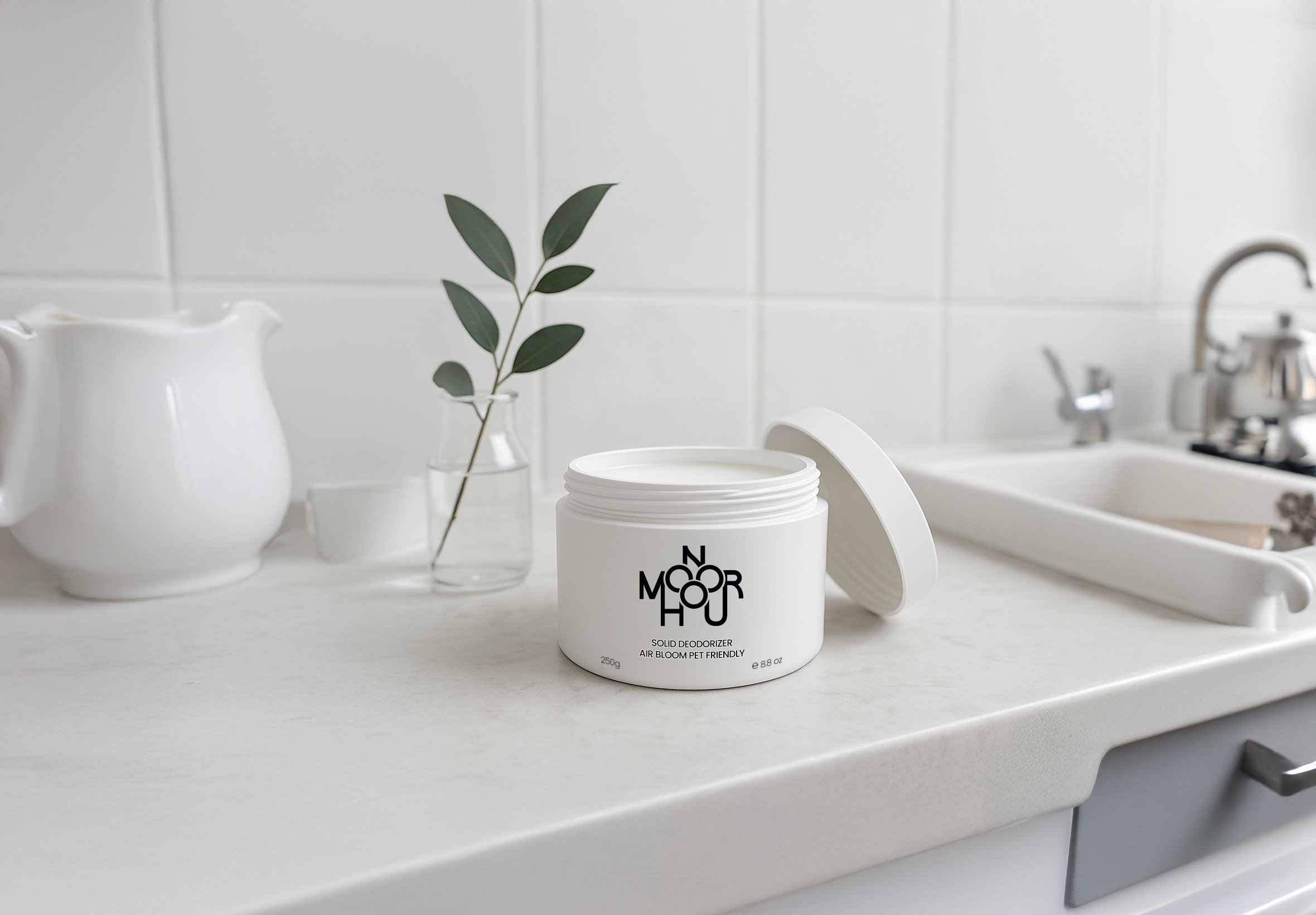
This is where many people go wrong. They buy several lovely products individually, then discover the house smells muddled because nothing belongs to the same mood. Layering works best when there is a clear emotional thread running through the home.
You do not need every room to smell identical. In fact, that can feel flat. What you want is harmony. For example, a home built around soft cotton, light woods or clean musk can move naturally from a fresh hallway to a restful bedroom and a warmer living area without any jarring transitions.
Layer by room, not just by product
Every room has its own rhythm, and fragrance should follow that.
Hallways and entrances benefit from something clean and welcoming. This is the first impression, so lighter citrus, green notes or soft powdery scents tend to work well. They create freshness without feeling too personal.
Living rooms can carry more warmth. This is where candles often shine, especially in the evening when you want the space to feel settled and ambient. Woods, soft amber, tea notes or delicate florals can all work here, depending on the season and your interior style.
Bedrooms call for restraint. Heavier scent can feel cloying when the door is closed or the room is warm. Linen sprays, soft diffusers and calming herbal or musky notes are usually enough. The goal is comfort, not drama.
Bathrooms suit brighter fragrance because they benefit from a sense of cleanliness. Citrus, eucalyptus, mint and watery florals can all lift the room. Just be careful not to make the shift from bathroom to nearby bedroom too harsh if the spaces are close together.
Kitchens are often the trickiest. In most cases, less is more. If you use fragrance there at all, it should be fresh and restrained, particularly if you cook often. Anything too sweet or heavy can clash with food.
Common mistakes that make layering feel too much
The biggest mistake is trying to smell fragrance everywhere, all the time. Constant intensity can make even beautiful scents feel tiring. A more elegant approach is to let some areas breathe and keep the stronger fragrance moments contained.
Another issue is mixing too many scent identities at once. If each room has a completely different character, the house can feel disjointed. You want gentle progression, not a series of sharp turns.
Placement matters too. A diffuser next to a radiator may throw far more fragrance than intended. A candle in a drafty area may not perform as expected. Even a very good scent can become unpleasant if it is stronger than the space can handle.
And then there is nose blindness. If you live with a fragrance every day, you may stop noticing it and be tempted to add more. Usually, that is a sign to pause rather than intensify. Guests will often perceive far more than you do.
A more refined way to scent your home
The most beautiful homes rarely smell loud. They smell settled, clean and quietly distinctive.

That is why curation matters. A small number of well-chosen fragrances in complementary formats will almost always feel more elevated than a cupboard full of disconnected products. For anyone building a thoughtful home scent wardrobe, SEOULIA's approach to subtle, design-led fragrance makes this easier - especially if you want products that feel premium yet liveable.
If you are just starting, begin with one room and one scent family. Add a diffuser for continuity, then a second layer for atmosphere, such as a candle or fabric mist. Live with it for a few days. Notice how the space feels at different times, in different weather, with windows open or closed. That is usually where your preferences become clear.
Home fragrance should not dominate a room. It should support it, soften it and give it a sense of care. When layering is done well, the effect is less about making a statement and more about creating a place you want to return to.